


Introduction
A power plant is an important facility that converts various energy into electric energy. Boilers, as core equipment of power plant, undertaking key task that convert chemical energy of fuel into thermal energy. Choosing the right boiler is essential for high-efficiency, stable, environmentally friendly operation of power plant. This article introduces how to select the appropriate boiler for your power plant.
The definition and core equipment of power plant
A power plant is a factory that converts various primary energy sources in nature (such as coal, natural gas, biomass, etc.) into electric energy. Its core equipment includes a boiler, turbine, and dynamo.
Boiler: Produce high-temperature and high-pressure steam through fuel combustion to provide drive for the turbine.
Turbine: Utilize the thermal energy of steam to convert into mechanical energy to drive the dynamo.
Dynamo: Convert mechanical energy into electric energy to provide power to users.
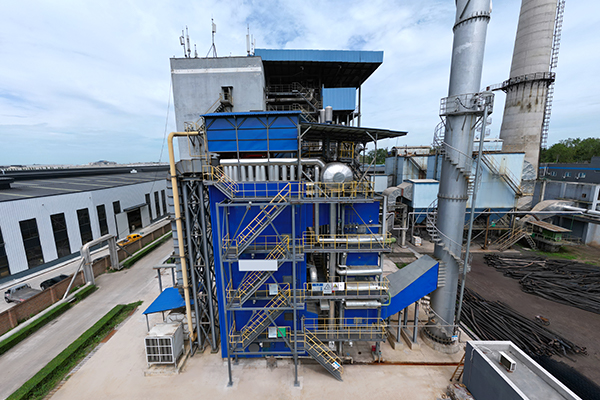
The basic principle of boilers used in power plant
The basic principle of boilers used in power plants is to use the heat generated by fuel combustion to heat water into high-temperature and high-pressure steam. These vapors then enter the steam turbine, driving it to rotate and subsequently driving the generator to generate electricity. Common boiler circulation methods include natural circulation, forced circulation, and direct current boiler.
Natural circulation boiler: Relying on the density difference between water and steam to achieve circulation, with a simple structure but high reliability requirements for water circulation.
Forced circulation boiler: By using a circulation pump to forcefully promote water circulation, the circulation reliability is high and it is suitable for high-parameter and large-capacity boilers.
Direct current boiler: There is no fixed steam water separation interface, and water is directly converted into steam, with high efficiency, but strict requirements for water quality and operation control.
The classifications and advantages/disadvantages of power plant boiler
1. Classified by fuel
Coal-fired boiler: Uses coal as fuel, with high efficiency, suitable for large-scale power generation. Need to be equipped with environmental protection equipment to reduce pollutant emissions.
Gas-fired boiler: Use natural gas and other gases as fuel, has advantages of clean combustion and low pollutant emissions, but fuel cost is high.
Biomass/waste incineration boiler: Use biomass/industrial waste as fuel, has characteristics of environmental protection and resource recycling, but the stability and calorific values of fuel are low.
2. Classified by structure
Water-tube boiler: Soda water flows inside the boiler, with high efficiency, suitable for large-capacity and high-parameters power plants, but with high requirements for water quality and operational management level.
Fire-tube boiler: Smoke flows inside the boiler, with simple structure, operational maintenance is convenient, but thermal efficiency is low, suitable for small capacity and low parameter condition.
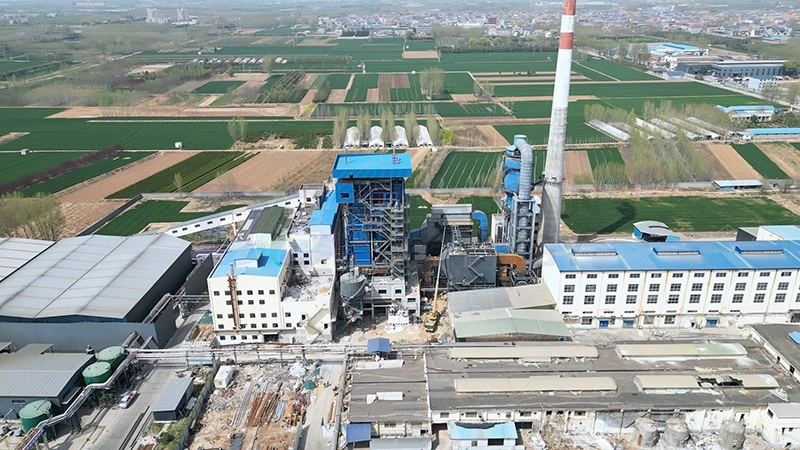
Factors affecting boiler selection in power plants
Fuel supply: According to local fuel resources and costs choose suitable fuel. For example, an area with abundant coal resources is suitable for coal-fired boiler. Regions with sufficient natural gas supply and reasonable prices can consider gas-fired boilers.
Power generation requirements:
Environmental protection requirements: Determine the capacity and parameters of the boiler based on the installed capacity and operation mode of the power plants. Large capacity power plants require boilers with high-parameter and large-capacity .
Safety: Ensure that the design, manufacture, installation and operation comply with safety standards. The safe operation of boilers is the foundation for the stable operation of power plants.
New generation system: The definition and principle of the Combined Heat and Power (CHP)
Combined Heat and Power(CHP) is an efficient energy utilization technology that combines power generation with heating. Its principle is to utilize exhaust heat during power generation, providing heating or steam for neighboring regions, thereby improving the efficiency of energy use. This kind of system not only raise comprehensive use efficiency of energy, but also reduce the impact on the environment.
Advantages: Combined Heat and Power(CHP) can significantly improve efficiency of energy use and reduce fuel consumption and greenhouse gas emissions. At the same time, it can provide a stable heat resource for neighboring users, meeting industrial and civil heating requirements.
Applications: Combined Heat and Power(CHP) is widely used in industry, urban heating system and large-scale commerical building.
Conclusion
The selection of power plant boilers need to comprehensively consider local resources, power generation requirements, environmental protection requirements and safety. Different kinds and structures of boilers have their advantages and disadvantages. The selection should be tailored by professional boiler manufacturer technical engineers according to specific circumstances. In practical applications, it is also necessary to give a thought to operation and maintenance cost, service life, reliability, and other factors to ensure long-term stable operation of power plant.

Contact us
If you have further requirements for selecting types and tailored services of power plant boilers, welcome to contact us. We will provide professional technical support and solutions. Our team has rich experience in designing the most suitable boiler equipment and systems for you.


