


Coconut shells as a typical kind of biomass fuel, their uniqueness exists in physical properties, chemical components and resource characteristics. Compared with other biomass fuels, it has significant difference in combustion efficiency, environmental protection and application scenarios.
Low nitrogen environmental protection boiler, built for 20 years

The eccentric layout of the furnace
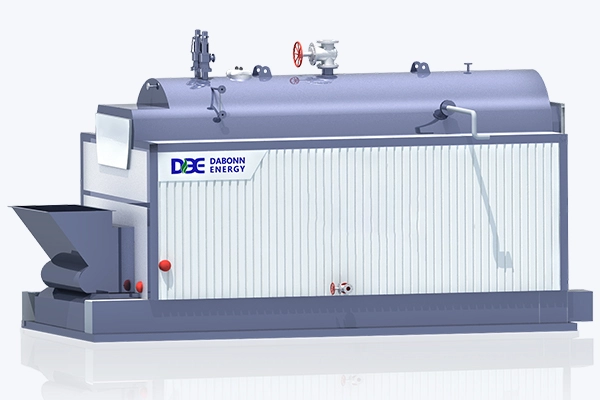
This series of boilers adopts an eccentric arrangement of the corrugated furnace and pot shell, which can greatly reduce the diameter of the pot shell and reduce the volume of the furnace body and water volume.

Integrated design
Euromonitor-θ7 series boilers are designed to connect the flue, economizer, condenser, and FGR fan into an integrated structure, canceling the installation interface between various components, reducing the difficulty of installation and reducing installation errors, to ensure the overall accuracy of the boiler installation.

Short start-up time
Compared with traditional products, this series of boilers introduces a new type of enhanced heat transfer element, the heat flux density is increased, the design is compact, and the boiler water volume is much smaller than traditional products so that this series of boilers can be finished within 5 minutes.

Modular system
Through parallel combination, multi-machine joint control can be completed, and up to 128 boilers can be controlled at the same time.
 2025-09-17
Coconut shells as a typical kind of biomass fuel, their uniqueness exists in physical properties, chemical components and resource characteristics. Compared with other biomass fuels, it has significant difference in combustion efficiency, environmental protection and application scenarios.
2.1 The source and resource distribution of coconut shells
The coconut shell is the hard outer layer of the coconut fruit, mainly derived from the processing stage of the coconut. After a coconut matures, it is picked and its outer skin is removed to obtain the coconut shell, which encloses the coconut meat and coconut juice inside. In the commercial utilization of coconuts, coconut shell is usually generated as a processing residue–for processing every mature coconut, one can obtain appropriately 0.3-0.5 kg of coconut shell. The source of coconut shell is completely dependent on coconut industry, it is a natural waste that can be obtained only through process without additional cultivation.
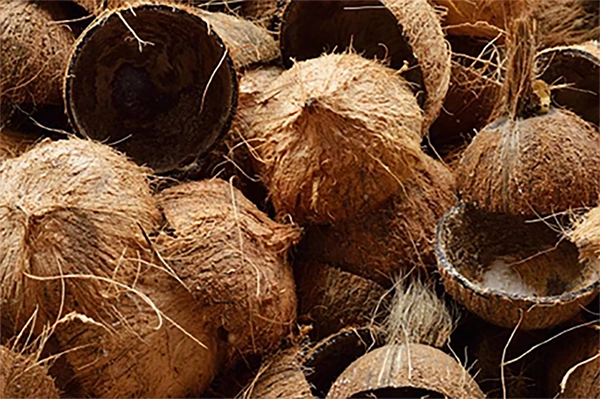
2.2 The resource reserves in the main coconut-producing areas
Coconuts are tropical crops that grow only in high-temperature and rainy areas between 20°north and south latitude. Therefore, coconut shell resources are also highly concentrated in these regions. The global annual coconuts production is appropriately 90-100 billion, corresponding to coconut shells resources volume of about 270-500 million tons per year. About 60% of them are concentrated in Southeast Asia (Indonesia, the Philippines, Thailand). These areas are the core area for dense coconut processing industry and have low difficulty in collection coconut shells.
2.3 The recycling value of coconut husks as agricultural waste
Coconut shell can be used in fuel, and it can directly replace coal for household heating, industrial boilers, etc. The cost of each ton of coconut shell fuel is only 1/3-1/2 of that of coal, and the market demand is stable.
3.1 structure
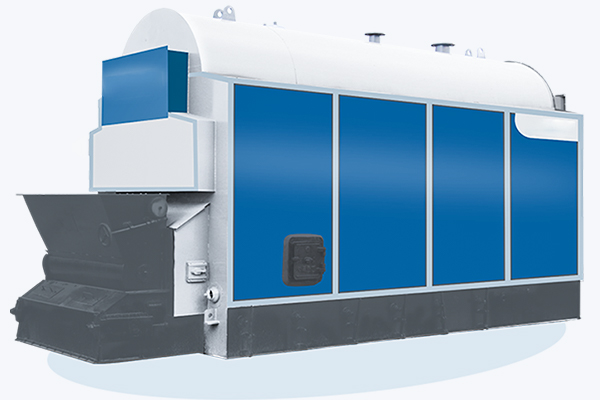
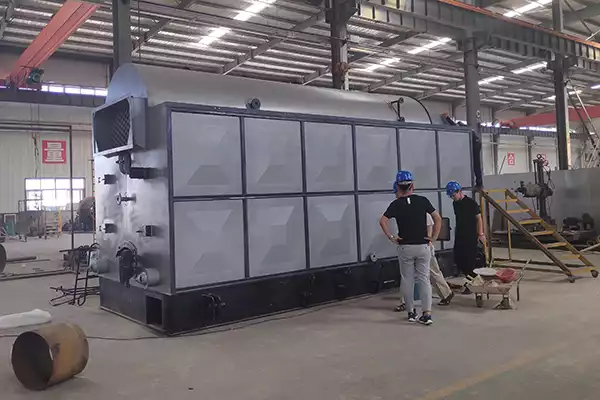
The structure of the coconut shell fired boiler needs to adapt the characteristics of coconut shells–high density, high thermal values and low dirt content to meet different application scenarios. Typical structure include fuel pre-treatment system, combustion system, heat exchanger system, ventilation and control system, and environmental protection system.
Textile industry: For high-temperature processes such as dyeing and finishing, the low-carbon property of coconut fuel can help enterprises meet the “green supply chain” certification requirements of markets like the EU.
Food processing: The coconut shell combustion boiler can provide a stable heat source for various processes such as drying (e.g. fruits, seafood), sterilization(e.g. canned foods, dairy products), and steaming(e.g. palm oil extraction), replacing traditional coal fired boiler/diesel fired boiler and reducing fuel costs by 30%-50%.
Greenhouse heating: Such as banana greenhouses in Malaysia, coconut shell boiler maintain 25-30 ℃ at night, the cost of fuel is only one third of that natural gas.
Hot water supply: A case from a school in Thailand shows that after using coconut shell boilers, the cost of hot water supply for 2,000 teachers and students decreased by 65%.
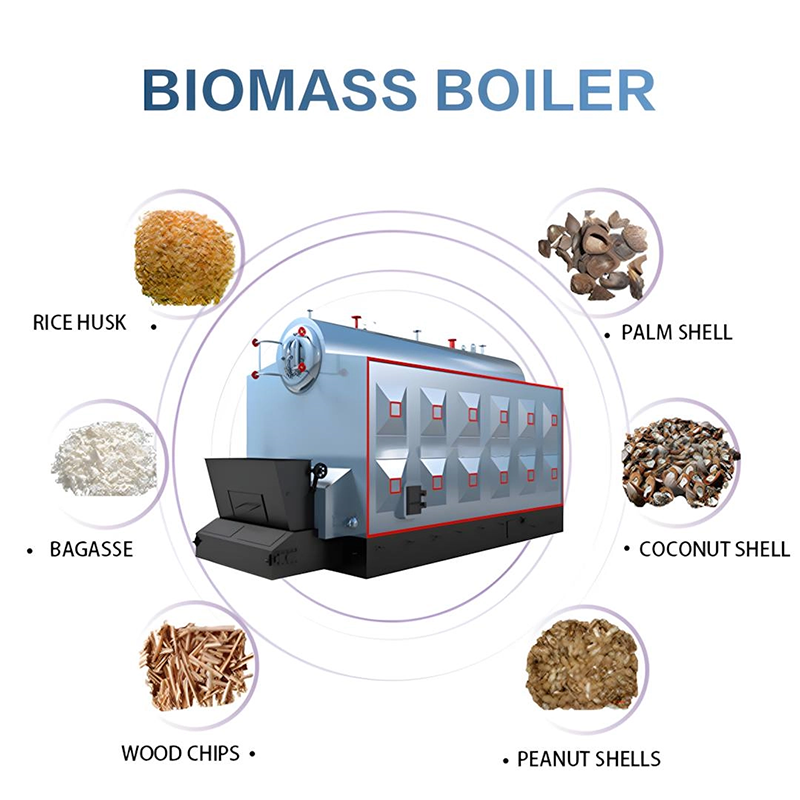
The cost of fuel is low and resources are extensive. Coconut shell as a waste of coconut processing industry, the yield is huge in tropical coconut-producing areas. Usually, it is treated as garbage, and the acquisition cost is extremely low. There is even no need for additional procurement costs, which can significantly reduce the operating costs of the boilers.
Secondly, it has outstanding environmental protection properties. Coconut shells are biomass fuels. The carbon dioxide generated during combustion can be absorbed by plant photosynthesis, forming a carbon cycle. Compared with fossil fuels, it can significantly reduce greenhouse gas emissions.
Moreover, the emissions of pollutants such as sulfur and nitrogen during the combustion process are relatively low, causing less pollution to the environment. Thirdly, it has a relatively high combustion efficiency. After proper treatment (such as crushing and drying), coconut shells are loose in texture and have a high carbon content, burning more fully and being able to be effectively converted into heat energy to meet the needs of industrial production or heating.
In addition, the use of coconut shell combustion boilers can also promote the resource utilization of agricultural waste, reduce the environmental pollution caused by the accumulation of coconut shells, and contribute to the development of a circular economy.
Fuel supply has regional limitations. Coconut shell is produced in tropical regions, so transport cost is higher in non-production areas. And the collection and storage of fuel need space. Improper handle may lead to mildew, affecting fuel combustion.
The combustion process is prone to produce coking problem. Coconut shells contain a certain amount of alkali metal elements such as potassium and sodium. During combustion, they are prone to coking on the heating surface of the boiler, affecting the heating transfer efficiency, shortening boiler service life. Frequent cleaning and maintenance increase the complexity of the boiler.

If you want to know more information about coconut shell fired boiler, please feel free to contact us at any time. We will provide you with professional technical support and solutions. WhatsApp: +8613838225665. Email: [email protected]
Get in touch now

Phone / Whatsapp / Wechat


| Types | Evaporation (t/h) |
Steam Pressure (MPa) |
Steam Temperature (℃) |
Feed Water Temperature (℃) |
Thermal Efficiency (℃) |
Fuel | Natural Gas Consumption (Nm3/h) |
Power Requirement (V/Hz) |
Electric Power (KW) |
Length * Width * Height (mm) |
Weigh t(t) |
Chimney (t) |
|---|---|---|---|---|---|---|---|---|---|---|---|---|
| θ7-2000 | 4 | ≤1.6 | 204 | 150℃(80%) 20℃(20%) | >95 | Natural gas | 250.4 | 380/50 | 29.5 | 5000 * 2500 * 4200 | 13 | 700 |
| θ7-4000 | 6 | 250.4 | 29.5 | 5000 * 2500 * 4200 | 13 | 700 | ||||||
| θ7-6000 | 10 | 250.4 | 29.5 | 5000 * 2500 * 4200 | 13 | 700 | ||||||
| θ7-8000 | 15 | 250.4 | 29.5 | 5000 * 2500 * 4200 | 13 | 700 | ||||||
| θ7-10000 | 20 | 250.4 | 29.5 | 5000 * 2500 * 4200 | 13 | 700 |

The company that cooperated with FANGKUAI Boiler was a heating company. After several communication and on-site field visits, the two parties determined that FANGKUAI Boiler...
Learn More
The company that cooperated with FANGKUAI Boiler was a heating company. After several communication and on-site field visits, the two parties determined that FANGKUAI Boiler...
Learn More
The company that cooperated with FANGKUAI Boiler was a heating company. After several communication and on-site field visits, the two parties determined that FANGKUAI Boiler...
Learn More
The company that cooperated with FANGKUAI Boiler was a heating company. After several communication and on-site field visits, the two parties determined that FANGKUAI Boiler...
Learn More
If you are interested in our company or products, you can contact with us through online consulting, demand table submission, e-mails and telephones. Our staff shall wholeheartedly provide product information, application knowledge and good service for you.
Hi there!
How are you?
Talk to us on your favourite channels
If you are interested in our company or products, you can contact with us through online consulting, demand table submission, e-mails and telephones. Our staff shall wholeheartedly provide product information, application knowledge and good service for you.
Customer service 01

 Whatsapp

 Email
Email

 Message

 Top
Top