


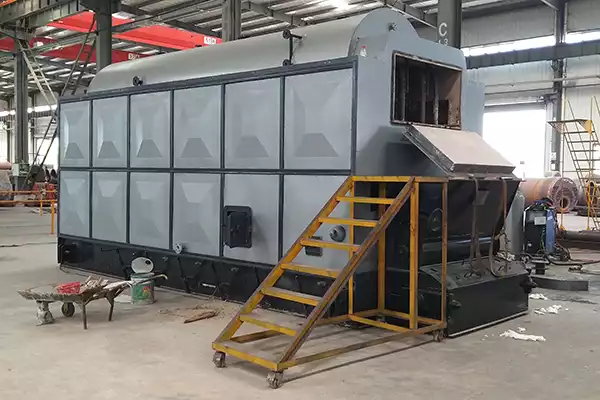
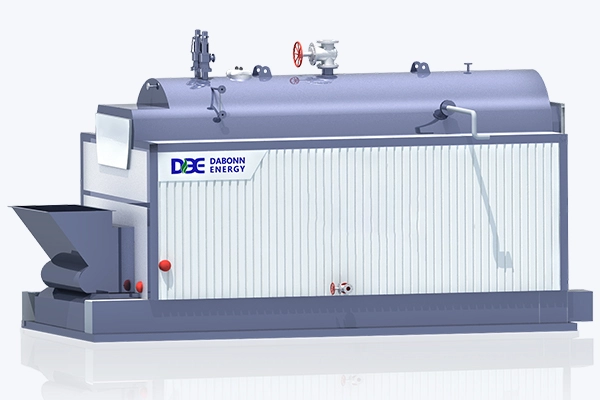
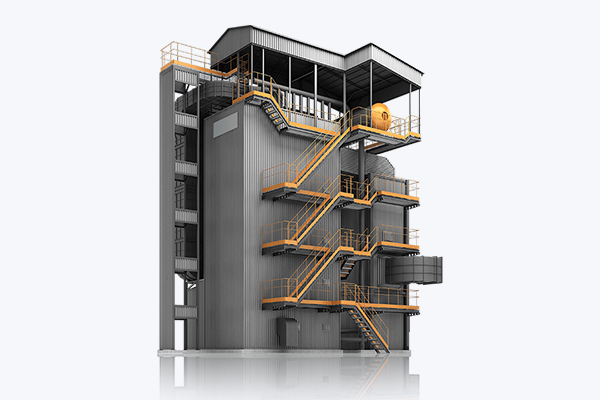
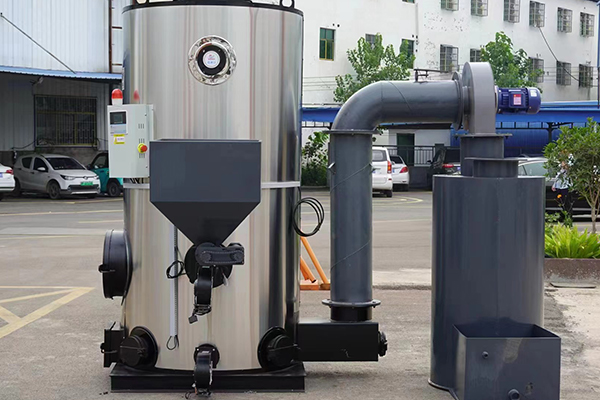
Biomass pellet boilers are also more cost-effective than some other forms of heating, as they require less maintenance and use renewable resources as their fuel source rather than fossil fuels like natural gas or propane.
Low nitrogen environmental protection boiler, built for 20 years

The eccentric layout of the furnace
This series of boilers adopts an eccentric arrangement of the corrugated furnace and pot shell, which can greatly reduce the diameter of the pot shell and reduce the volume of the furnace body and water volume.

Integrated design
Euromonitor-θ7 series boilers are designed to connect the flue, economizer, condenser, and FGR fan into an integrated structure, canceling the installation interface between various components, reducing the difficulty of installation and reducing installation errors, to ensure the overall accuracy of the boiler installation.

Short start-up time
Compared with traditional products, this series of boilers introduces a new type of enhanced heat transfer element, the heat flux density is increased, the design is compact, and the boiler water volume is much smaller than traditional products so that this series of boilers can be finished within 5 minutes.

Modular system
Through parallel combination, multi-machine joint control can be completed, and up to 128 boilers can be controlled at the same time.
 2025-10-17
The cost of a biomass pellet boiler is about $5,800 – $12,600, and the specific price depends on various factors such as the model, manufacturer, and particle size of the biomass pellet boiler. Biomass pellet boilers are a form of biomass energy that uses wood pellets as fuel.
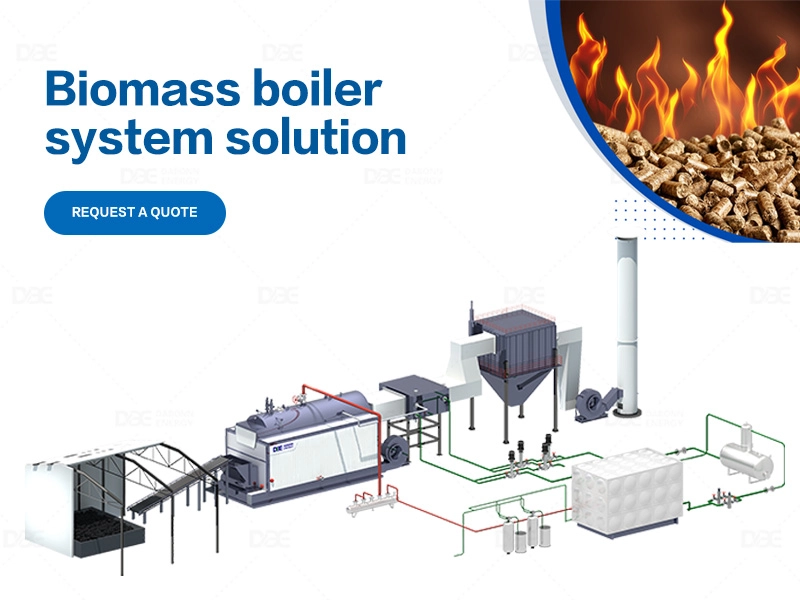
A biomass pellet boiler is a type of heating system that burns wood pellets, which are made from compressed sawdust. Because they are a renewable source of energy and made from waste wood, wood pellets can be considered environmentally friendly. Wood pellet boilers can be used to heat water for your home or business, or to generate electricity for your home or business. Pellets can be used to heat your home in two ways: through convection or radiant systems. Convection systems pull air through ductwork to circulate heated air throughout the house while radiant systems use pipes to distribute warmth directly into rooms. Both options provide reliable heating without sacrificing comfort or convenience. As a renewable energy source, biomass pellet boilers are environmentally friendly. They help reduce carbon emissions by offering an alternative heat source that produces little or no CO₂.
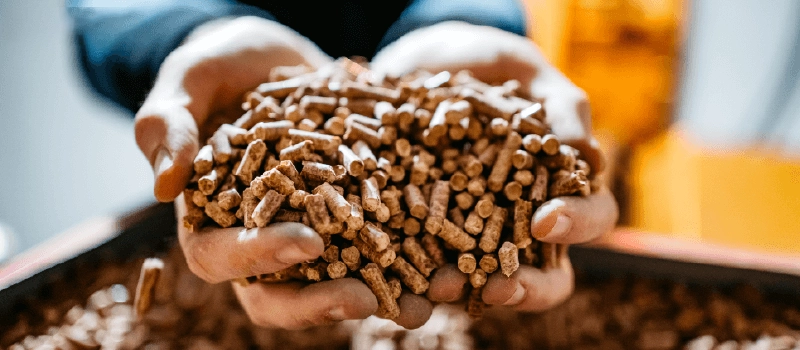
Biomass pellet boilers are a type of pellet-fired boiler that uses renewable fuel such as waste wood to produce heat. The pellets are made from waste wood and burned in a boiler to generate heat, which is then used to heat your home’s water, making it suitable for use as domestic hot water or space heating. This process begins when the pellets are fed into the furnace, where they burn at high temperatures producing smokeless exhaust gases containing carbon monoxide and CO2 (carbon dioxide).
These gases mix with fresh air entering through vents located around the burner before being expelled through an outlet at the bottom of the furnace into an exhaust flue. The flue can be internal or external, depending on the boiler model. A typical biomass pellet boiler uses an internal combustion chamber to burn the pellets. After combustion, the pellets turn into a small amount of ash. Unlike coal or oil, you don’t need to worry much about ash disposal.
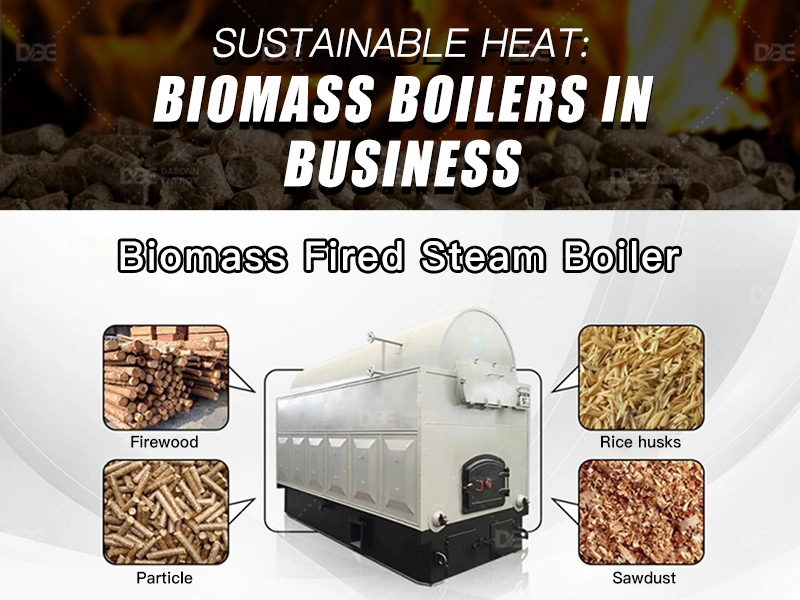
The average biomass boiler uses between 10 and 15 pounds of pellets per hour. The size of your boiler, whether it”s a large commercial boiler or a small residential unit, will determine how many pounds of pellets you need to be burning at any given time. The size of your biomass pellet boiler greatly affects how much it uses in relation to other boilers with similar capacities. Larger boilers use more pellets than smaller onesAs an example: if you have an industrial-sized biomass boiler that burns 60 pounds per hour, that means you”re going through three tons (about 2,000 pounds) in one day.
No. In fact, biomass pellet boilers are cheaper to run than gas and oil boilers, as well as electricity. If you were considering a wood stove or fireplace, you may be surprised to learn that you can get more heat out of a biomass pellet boiler than the same amount of wood would provide. The only downside with using a biomass pellet boiler is that you will have to buy new equipment every now and again when your old one starts getting worn out due to its age (around 10-15 years).
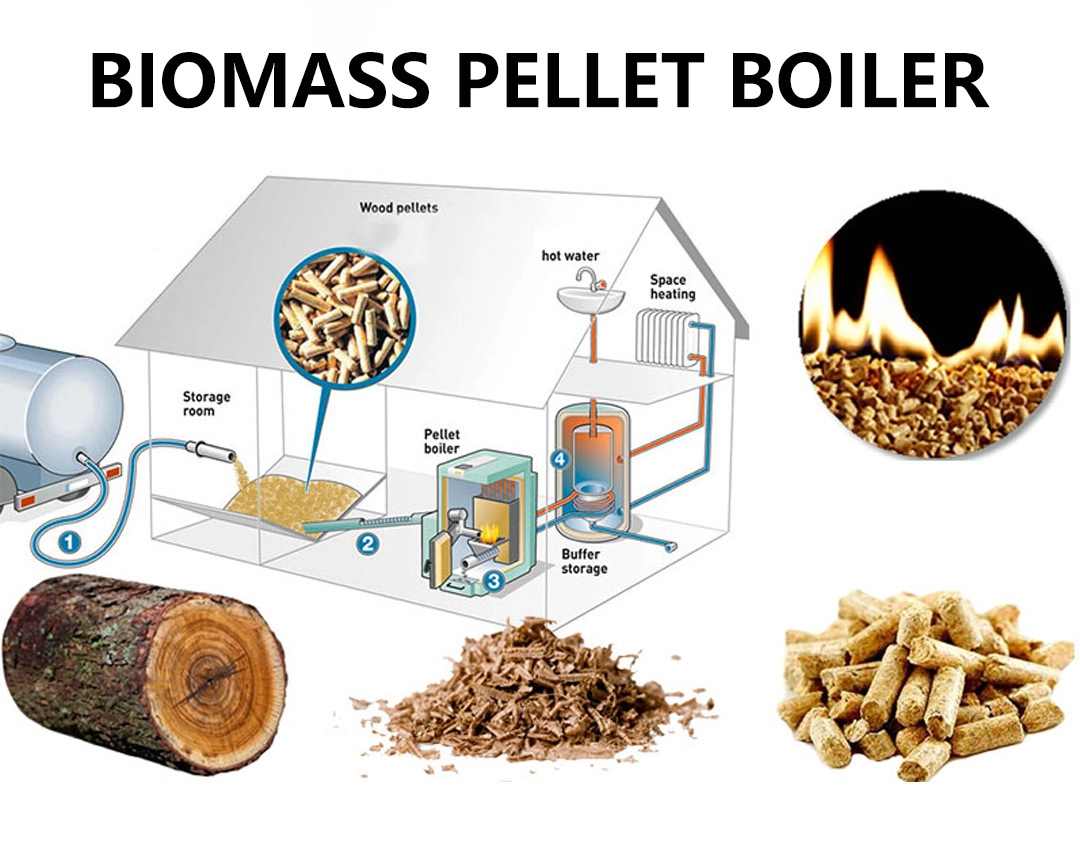
Biomass pellets are a renewable resource, and they are a sustainable fuel source. Biomass pellets are environmentally friendly, meaning that they release fewer emissions than traditional fossil fuels. And lastly, biomass pellets burn cleanly and efficiently. Because of these factors, running your home with biomass pellet boilers is much cheaper than doing so with gas boilers. The cost of burning gas is often higher than the purchase price itself. In contrast, biomass pellet fuel is much cheaper — usually less than half the cost of natural gas or oil per unit volume. It requires no transportation or refining before use, which further reduces the total cost.
A typical biomass pellet boiler would be around $5,800 to $12,600 including installation, but you may also need additional items such as a flue kit and an air blower to ensure your boiler works efficiently. The price of biomass pellets is usually around $80-100 per tonne, but this will be higher if you are buying from a supplier who has transported the pellets from a distance. Running costs are significantly lower than gas, coming in at around £125 per year (or one-third of the cost of running a gas boiler).
As well as having cheaper running costs, biomass burners also produce less CO2 than conventional heating systems – producing only 0.5kg/kWh instead of 2kg/kWh with gas. The installation of a biomass pellet boiler is quite simple and can be done by anyone with some knowledge of plumbing and electrical work. The most common type of boiler used in homes is called an “up-flow” system which uses gravity to drive hot water up through the pipes into your radiators or underfloor heating system.

Biomass pellet boilers are also more cost-effective than some other forms of heating, as they require less maintenance and use renewable resources as their fuel source rather than fossil fuels like natural gas or propane. If you want to learn about the detailed parameters and prices of it, please contact us at +0086 138-3822-5665.
Get in touch now

Phone / Whatsapp / Wechat


| Types | Evaporation (t/h) |
Steam Pressure (MPa) |
Steam Temperature (℃) |
Feed Water Temperature (℃) |
Thermal Efficiency (℃) |
Fuel | Natural Gas Consumption (Nm3/h) |
Power Requirement (V/Hz) |
Electric Power (KW) |
Length * Width * Height (mm) |
Weigh t(t) |
Chimney (t) |
|---|---|---|---|---|---|---|---|---|---|---|---|---|
| θ7-2000 | 4 | ≤1.6 | 204 | 150℃(80%) 20℃(20%) | >95 | Natural gas | 250.4 | 380/50 | 29.5 | 5000 * 2500 * 4200 | 13 | 700 |
| θ7-4000 | 6 | 250.4 | 29.5 | 5000 * 2500 * 4200 | 13 | 700 | ||||||
| θ7-6000 | 10 | 250.4 | 29.5 | 5000 * 2500 * 4200 | 13 | 700 | ||||||
| θ7-8000 | 15 | 250.4 | 29.5 | 5000 * 2500 * 4200 | 13 | 700 | ||||||
| θ7-10000 | 20 | 250.4 | 29.5 | 5000 * 2500 * 4200 | 13 | 700 |

The company that cooperated with FANGKUAI Boiler was a heating company. After several communication and on-site field visits, the two parties determined that FANGKUAI Boiler...
Learn More
The company that cooperated with FANGKUAI Boiler was a heating company. After several communication and on-site field visits, the two parties determined that FANGKUAI Boiler...
Learn More
The company that cooperated with FANGKUAI Boiler was a heating company. After several communication and on-site field visits, the two parties determined that FANGKUAI Boiler...
Learn More
The company that cooperated with FANGKUAI Boiler was a heating company. After several communication and on-site field visits, the two parties determined that FANGKUAI Boiler...
Learn More
If you are interested in our company or products, you can contact with us through online consulting, demand table submission, e-mails and telephones. Our staff shall wholeheartedly provide product information, application knowledge and good service for you.
Hi there!
How are you?
Talk to us on your favourite channels
If you are interested in our company or products, you can contact with us through online consulting, demand table submission, e-mails and telephones. Our staff shall wholeheartedly provide product information, application knowledge and good service for you.
Customer service 01

 Whatsapp

 Email
Email

 Message

 Top
Top