


Introduction: Why Wood Fired Steam Boilers Are in Demand
In recent years, many industrial users have been turning to wood fired steam boilers as a sustainable alternative to traditional coal or gas systems. As industries face stricter emission regulations and rising fuel prices, wood boilers offer a balance between cost efficiency and environmental responsibility.
They use renewable biomass fuels—mainly wood logs, chips, or sawdust—to generate steam for process heating or power generation. Beyond just reducing carbon emissions, these systems also provide long-term savings on fuel and maintenance costs.
What Is a Wood Fired Steam Boiler?
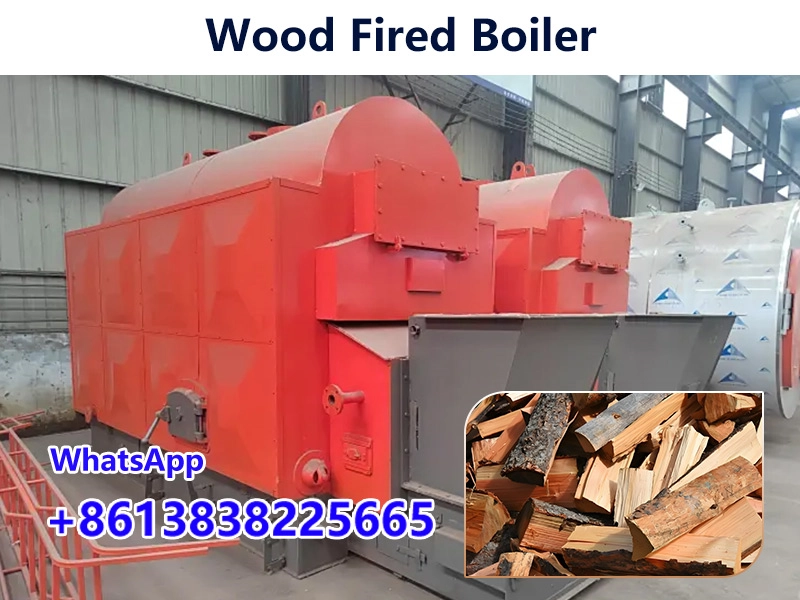
A wood fired steam boiler works by burning solid wood fuel inside a combustion chamber to heat water and produce steam. The generated steam can then be used for industrial processes, heating, or even electricity generation through a steam turbine.
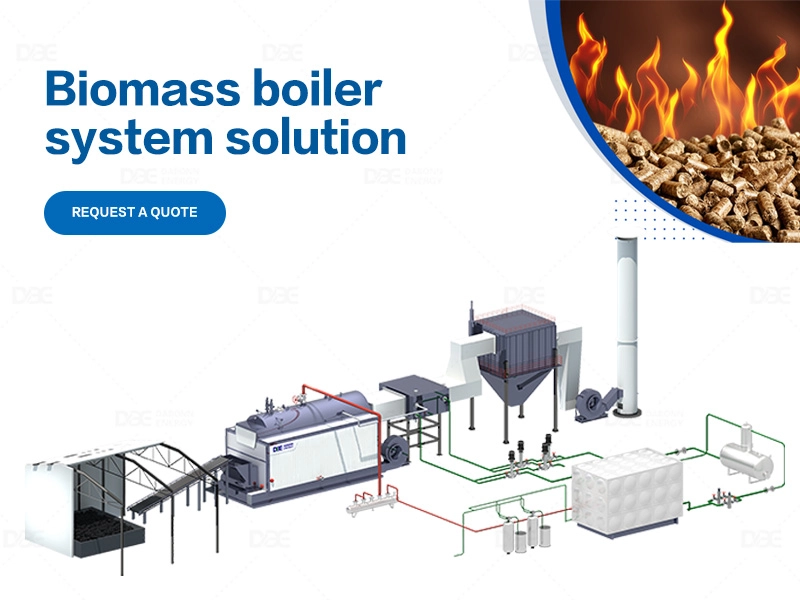
A standard system includes a furnace, heat exchanger, steam drum, and flue gas system. Depending on the setup, the boiler can operate manually or automatically with a feeding system.
Wood boilers are commonly used in:
- Food and beverage plants
- Textile and garment factories
- Pulp and paper mills
- Timber and furniture industries
These sectors often generate waste wood, making wood boilers both economical and sustainable.
Wood Fired Steam Boiler Price Factors
When comparing wood fired steam boiler prices, several variables come into play. Below is an overview of the main factors affecting total cost:
| Factor | Description |
|---|---|
| Boiler Capacity (TPH) | Higher output means larger components and more materials |
| Material & Design | Stainless steel and pressure-grade materials increase durability |
| Automation Level | Automatic feeding and control systems raise initial investment |
| Efficiency & Emission Control | High-efficiency designs and dust collectors add to total price |
| Installation & Freight | Site preparation and logistics vary by location |
💡 Tip: When evaluating prices, consider not just the initial purchase but also fuel cost, maintenance, and efficiency over time. The total cost of ownership often tells a clearer story than the upfront price.
Price Comparison: Wood vs Coal vs Biomass Boilers
Below is a simple comparison of the most common industrial boiler types in terms of cost, efficiency, and environmental performance:
| Boiler Type | Fuel Cost (per ton) | Efficiency (%) | CO₂ Emissions | Maintenance Frequency | Estimated Price (USD) |
|---|---|---|---|---|---|
| Wood Fired | $60–120 | 80–85 | Low | Low–Medium | $5,000–30,000 |
| Coal Fired | $80–150 | 75–80 | High | High | $4,000–25,000 |
| Biomass Pellet | $100–200 | 85–90 | Very Low | Low | $6,000–35,000 |
While coal systems may seem cheaper upfront, wood fired and biomass boilers provide far greater long-term savings due to lower fuel and emission treatment costs.
Operating Cost and Efficiency
Wood fired boilers deliver stable performance with high thermal efficiency—especially when paired with an automatic feeding and air control system. Operating costs remain competitive because wood fuel is locally available in most regions.
For instance, a 2-ton wood fired steam boiler used in a textile plant in Southeast Asia reportedly reduced fuel expenses by over 25% compared to its previous coal-fired setup. The plant also noted lower ash disposal and improved workplace cleanliness.
Efficient combustion design, combined with a proper insulation system and flue gas recovery, can further improve performance while cutting fuel consumption.
Industrial Applications and Case Studies
Wood fired boilers serve multiple industrial purposes:
- Food Processing: Reliable steam for sterilization and cooking.
- Pulp & Paper Industry: Continuous steam supply for drying and bleaching.
- Timber & Furniture Manufacturing: Utilize sawdust and offcuts as free fuel.
- Textile Industry: Steady heat for dyeing and washing processes.
For example, a wood product factory in Indonesia converted its production waste into boiler fuel, saving nearly $15,000 annually in energy costs while meeting local emission standards.
Maintenance and Lifespan
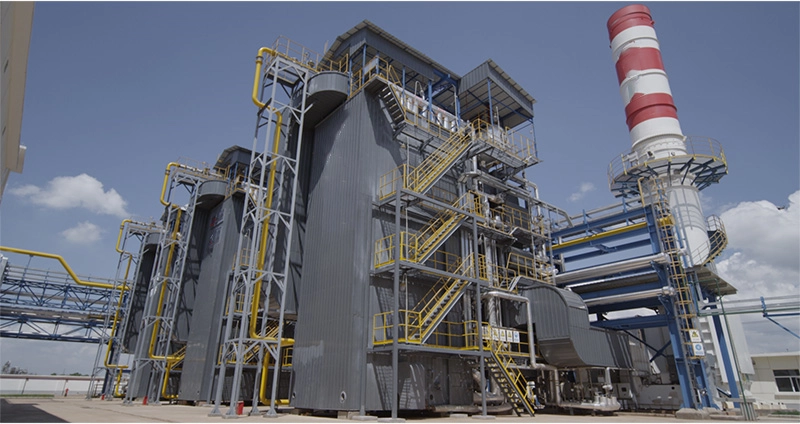
Routine maintenance ensures longevity and stable operation. Key tasks include:
- Cleaning flue passages and removing ash
- Checking safety valves and pressure gauges
- Inspecting water quality to prevent scaling
With proper care and fuel quality control, a wood fired steam boiler can last 15–20 years or more. Using dry wood and soft water helps maintain consistent combustion and reduces wear on internal components.

Conclusion: A Smart Investment for Sustainable Energy
Investing in a wood fired steam boiler offers industries a balance of cost efficiency, operational reliability, and environmental compliance. By leveraging renewable fuel sources, businesses can reduce long-term expenses and carbon emissions simultaneously.
If your factory or processing plant is exploring sustainable energy solutions, a wood fired boiler system can be the ideal starting point.
Contact us today for a customized quotation and expert consultation on designing a boiler system that matches your production needs and budget.


