


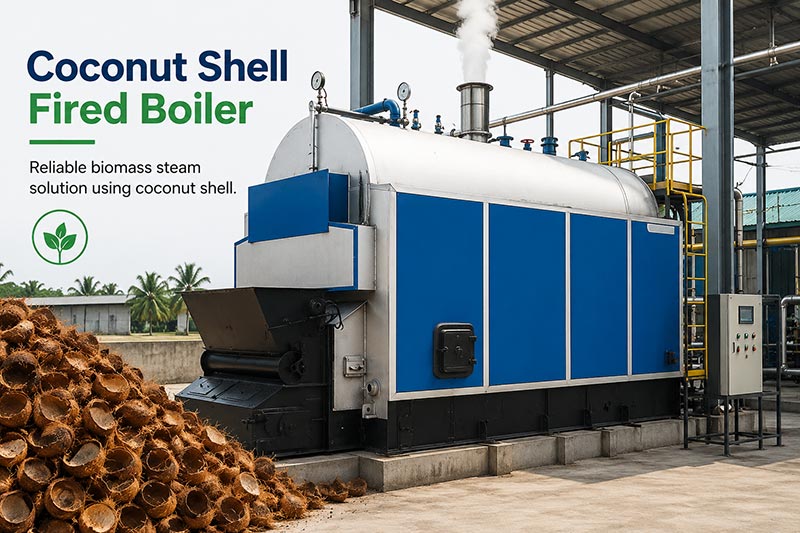
A coconut shell fired boiler uses coconut shell biomass fuel to generate steam or hot water for industrial applications. Due to its high calorific value and low fuel cost, coconut shell fuel can produce steam at approximately $12–25 per ton, making it one of the most economical biomass boiler fuels in regions with abundant coconut resources.
Coconut shell fired boilers are widely used in food processing, palm oil plants, textile factories, and agricultural industries.
What Is a Coconut Shell Fired Boiler?
A coconut shell fired boiler is a type of biomass boiler designed to burn coconut shell waste as fuel. The heat generated from combustion is transferred to water through boiler tubes to produce steam or hot water.
Coconut shells are considered a high-quality biomass fuel because they offer:
- High heating value
- Low moisture content
- Stable combustion
- Renewable energy source
How Does a Coconut Shell Fired Boiler Work?
The boiler operates through the following process:
- Coconut shell fuel enters the combustion chamber
- The fuel burns and releases thermal energy
- Heat transfers through the boiler heat exchange system
- Water converts into steam or hot water
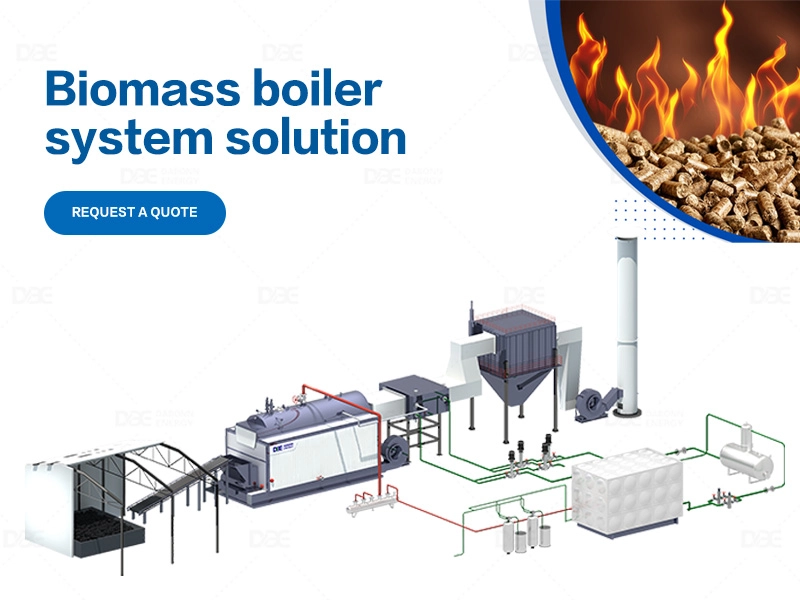
- Flue gas exits through the dust collection and chimney system
Modern systems use automatic feeding and combustion control technology to improve efficiency and reduce emissions.
Coconut Shell Fuel Characteristics
| Property | Typical Value |
|---|---|
| Heating Value | 4,000–4,500 kcal/kg |
| Moisture Content | 8–15% |
| Ash Content | 2–5% |
| Combustion Stability | High |
Compared with many agricultural biomass fuels, coconut shell fuel provides higher energy density and lower ash production.
Coconut Shell Fired Boiler Operating Cost
Operating cost depends mainly on fuel price and boiler efficiency.
| Fuel Type | Steam Cost (per ton) | Cost Level |
|---|---|---|
| Coconut Shell | $12–25 | Low |
| Wood Chips | $12–20 | Low |
| Rice Husk | $10–18 | Very Low |
| Natural Gas | $30–55 | Medium–High |
| Diesel | $60–90 | Very High |
Coconut Shell Fuel Consumption
Due to its high calorific value, coconut shell fuel consumption is relatively low compared with other biomass fuels.
| Fuel Type | Fuel Consumption per Ton Steam |
|---|---|
| Coconut Shell | 140–200 kg |
| Wood Chips | 200–260 kg |
| Rice Husk | 220–280 kg |
| Wood Pellets | 120–160 kg |
Upgrade to a High-Efficiency Biomass Boiler
Contact us today for a customized biomass boiler solution and free energy efficiency assessment. Our expert engineering team provides full support from design to installation.
Coconut Shell vs Other Biomass Fuels
| Fuel Type | Heating Value | Moisture | Overall Efficiency |
|---|---|---|---|
| Coconut Shell | High | Low | Excellent |
| Wood Chips | Medium | Medium | Good |
| Rice Husk | Medium–Low | Low | Medium |
| Sawdust | Medium | Medium | Good |
Efficiency of Coconut Shell Fired Boilers
Modern coconut shell fired boilers typically achieve 80%–88% thermal efficiency.
Efficiency depends on:
- Combustion system design
- Fuel particle size
- Moisture control
- Heat recovery systems
Industrial Applications
Coconut shell fired boilers are commonly used in:
- Food processing factories
- Coconut oil plants
- Palm oil mills
- Textile factories
- Agricultural processing plants
- Paper mills
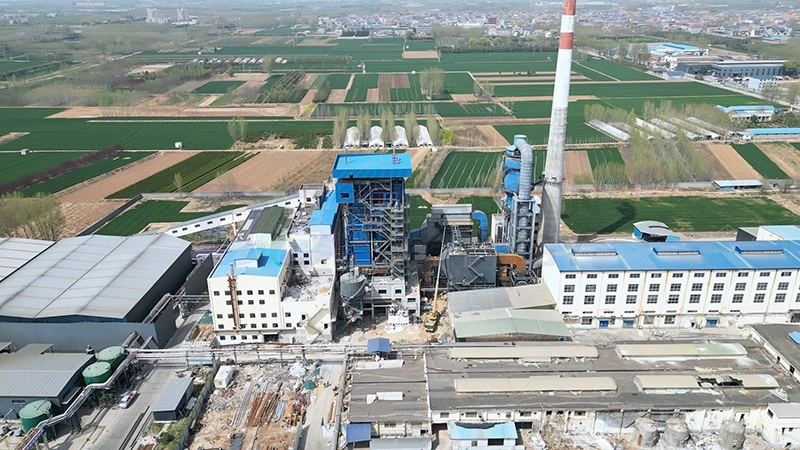
Industries located in coconut-producing regions benefit the most due to stable local fuel supply.
Advantages of Coconut Shell Fired Boilers
- Low fuel cost
- High calorific value
- Renewable biomass energy
- Lower carbon emissions
- Stable combustion performance
- Reduced fuel consumption
Disadvantages
- Fuel availability depends on region
- Storage space required
- Ash handling needed
- Fuel size consistency affects combustion
Conclusion
Coconut shell fired boilers are an efficient and cost-effective biomass energy solution for industrial steam production. With high fuel efficiency, low operating cost, and renewable energy benefits, coconut shell fuel is becoming increasingly popular in biomass boiler systems.
Factories located in regions with abundant coconut shell supply can achieve significant fuel savings and long-term energy stability.
Frequently Asked Questions (FAQ)
Is coconut shell a good biomass fuel?
Yes. Coconut shell has high calorific value and low moisture, making it one of the best biomass fuels for industrial boilers.
How much fuel does a coconut shell fired boiler consume?
Most systems consume around 140–200 kg of coconut shell fuel per ton of steam.
Is coconut shell cheaper than gas?
Yes. In many regions, coconut shell fuel costs significantly less than natural gas or diesel.
What industries use coconut shell boilers?
Food processing, palm oil plants, coconut processing, and textile factories commonly use coconut shell fired boilers.
The engineering calculations and efficiency data in this article follow internationally recognized industrial energy methodologies.


