


Coal boilers typically have lower fuel costs per ton of steam ($20–40), while biomass boilers range from $12–35 per ton depending on fuel availability. However, biomass boilers offer significantly lower emissions, better sustainability, and more stable long-term fuel pricing, making them a preferred alternative in many regions.
This guide compares biomass and coal boilers in terms of cost, efficiency, fuel availability, environmental impact, and long-term return on investment.
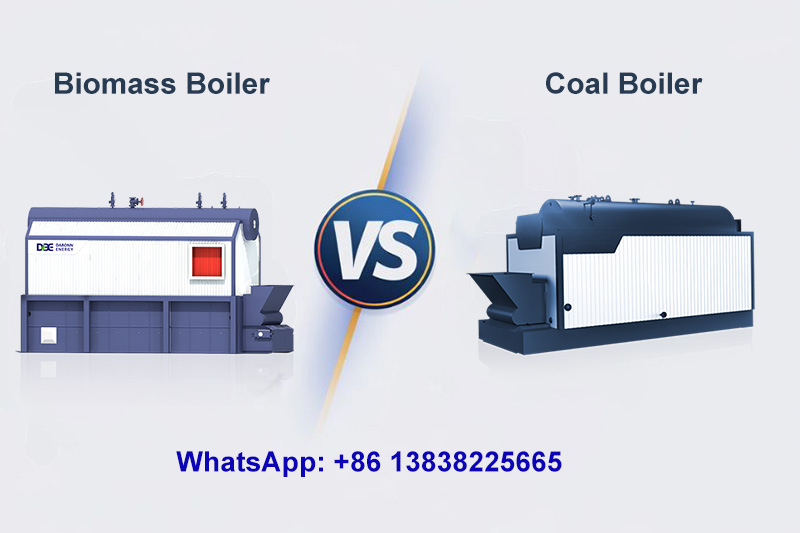
Biomass vs Coal Boiler: Key Differences
| Factor | Biomass Boiler | Coal Boiler |
|---|---|---|
| Initial Investment | Higher | Lower |
| Fuel Cost | Low–Medium | Low |
| Steam Cost | $12–35 / ton | $20–40 / ton |
| Efficiency | 80–88% | 75–85% |
| Emissions | Low (renewable) | High (CO₂, SO₂, dust) |
| Policy Support | Encouraged | Restricted in many regions |
| Fuel Supply | Local biomass | Mining / transport dependent |
Fuel Cost Comparison
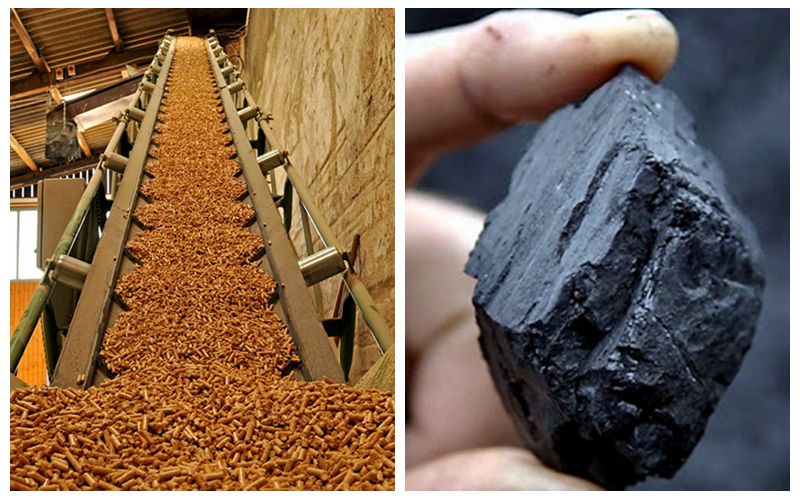
Coal has traditionally been one of the cheapest fuels for industrial boilers. However, rising transportation costs and environmental taxes are increasing its total cost in many countries.
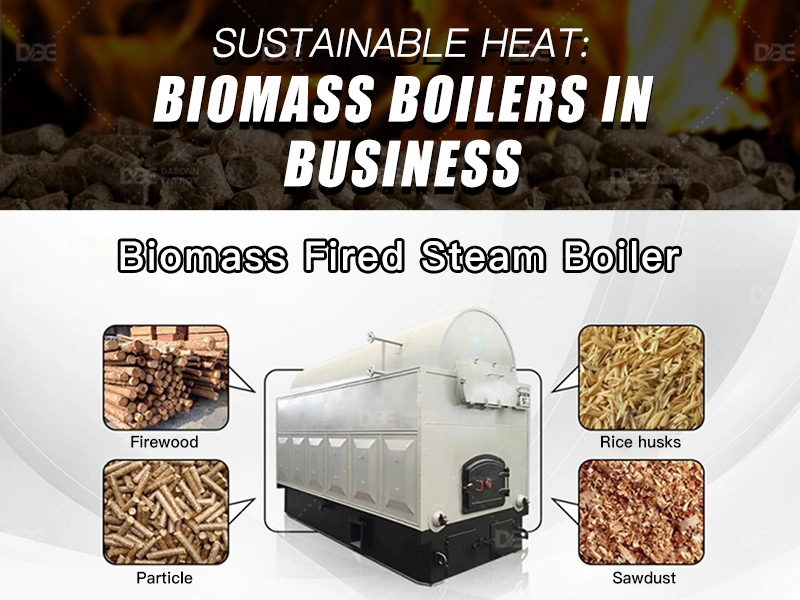
Biomass fuel, such as wood chips, rice husk, and agricultural waste, is often locally sourced, reducing dependency on global energy markets.
Typical Fuel Price Range:
- Coal: $80–150 per ton
- Biomass: $40–100 per ton
In regions with abundant agricultural resources, biomass fuel can be significantly cheaper than coal.
Operating Cost per Ton of Steam
The actual cost depends on boiler efficiency and fuel characteristics.
- Biomass boiler: $12–35 per ton of steam
- Coal boiler: $20–40 per ton of steam
Although coal can be competitive, biomass often achieves lower costs when low-moisture fuel is used and combustion is optimized.
Efficiency Comparison
| Boiler Type | Typical Efficiency |
|---|---|
| Modern Biomass Boiler | 80–88% |
| Coal Boiler | 75–85% |
Advanced biomass boilers with automatic feeding and air control systems can achieve stable combustion and higher efficiency compared to traditional coal-fired systems.
Environmental Impact
This is the biggest difference between biomass and coal boilers.
Coal Boiler Emissions
- High CO₂ emissions
- Sulfur dioxide (SO₂)
- Dust and particulate matter
Biomass Boiler Emissions
- Considered carbon-neutral
- Lower sulfur content
- Reduced environmental impact
Due to stricter environmental regulations worldwide, many industries are replacing coal boilers with biomass systems.
Fuel Handling and Operation
Both systems require fuel handling, but there are key differences:
- Coal systems require crushing and dust control
- Biomass systems require moisture control and storage management
- Biomass produces less harmful ash compared to coal
Which Boiler Is Better for Your Industry?
- Textile industry: Biomass preferred (stable steam demand, lower emissions)
- Food processing: Biomass or gas (cleaner operation)
- Palm oil plants: Biomass ideal (use waste fuel)
- Heavy industry: Coal still used in some regions
ROI and Payback Period
Although biomass boilers have higher initial costs, they often achieve payback within 2–4 years due to:
- Lower fuel costs
- Government incentives
- Reduced environmental compliance costs
Coal boilers may appear cheaper initially but face increasing long-term regulatory and operational costs.
Upgrade to a High-Efficiency Biomass Boiler
Contact us today for a customized biomass boiler solution and free energy efficiency assessment. Our expert engineering team provides full support from design to installation.
Conclusion
Coal boilers remain a low-cost option in some regions, but biomass boilers are rapidly becoming the preferred choice due to environmental benefits, fuel flexibility, and long-term cost stability.
For industries planning future expansion or sustainability upgrades, biomass boilers offer a more reliable and compliant energy solution.
Frequently Asked Questions (FAQ)
Is biomass cheaper than coal?
In many regions, biomass can be cheaper than coal, especially when local agricultural waste is available. The total cost depends on fuel price, moisture content, and boiler efficiency.
Why are coal boilers being replaced?
Coal boilers produce high emissions and face strict environmental regulations, leading many industries to switch to cleaner alternatives like biomass.
Which boiler has lower emissions?
Biomass boilers have significantly lower emissions and are considered more environmentally friendly compared to coal systems.
Can biomass fully replace coal boilers?
Yes, in most industrial applications, biomass boilers can replace coal boilers with proper system design and fuel supply planning.


